patrafoundation.org

Our Story

Building a Better Future Through Research, Innovation, and Community Action.

Patra Research and Development Foundation (PRDF) was established in 2026 with a vision to create sustainable, inclusive, and resilient communities through research, innovation, and community-driven development. We believe that meaningful and lasting change is achieved when scientific research, traditional knowledge, technology, and active community participation come together to address real-world challenges.

PRDF was founded to bridge the gap between research and grassroots implementation by developing practical, evidence-based solutions that improve livelihoods, strengthen local institutions, protect natural resources, and enhance the quality of life for rural and tribal communities. Our work is guided by the principles of sustainability, equity, innovation, and collaboration, ensuring that development reaches those who need it most.

Why PRDF Was Established

Despite India's rapid economic and technological progress, many rural and tribal communities continue to face challenges such as poverty, unemployment, limited access to quality education and healthcare, environmental degradation, climate change, gender inequality, and low agricultural productivity. These issues are interconnected and require integrated, long-term solutions rather than isolated interventions.

PRDF was established to respond to these challenges through a holistic development approach that combines Sustainable Agriculture, Women Empowerment, Education, Health, Environmental Conservation, Research, Innovation, Rural Livelihood Development, and Community Capacity Building.

Our goal is to empower communities with knowledge, skills, technology, and opportunities that enable them to become self-reliant while protecting the natural resources upon which future generations depend.
The Challenges We Identified

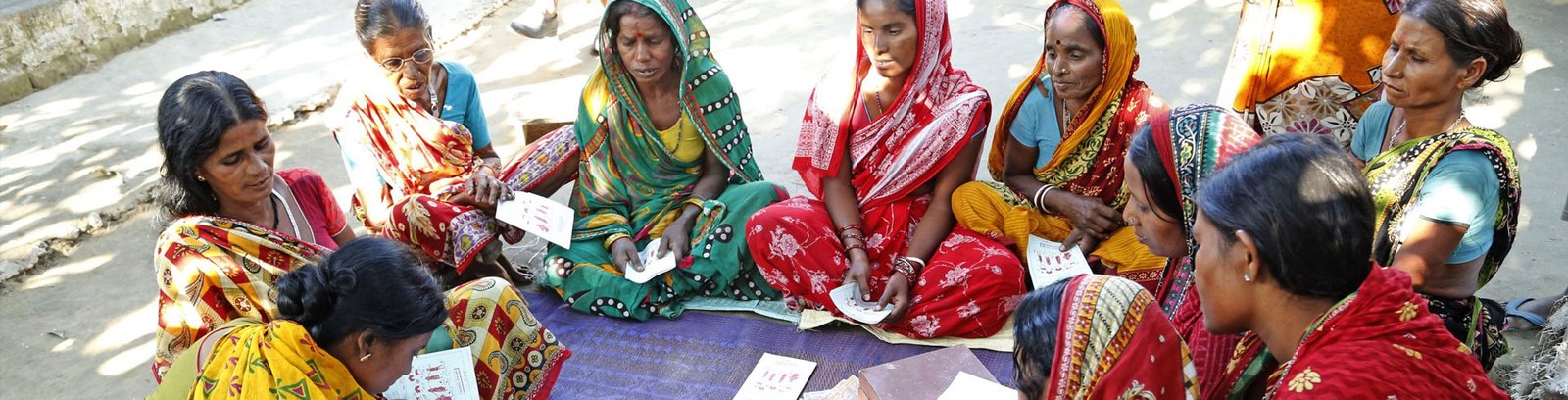
Through field studies, community consultations, and extensive engagement with farmers, women, youth, tribal communities, educators, healthcare workers, and local institutions, PRDF identified several critical development challenges.

Sustainable We Identified

Small and marginal farmers often struggle with declining soil fertility, climate variability, water scarcity, pest and disease outbreaks, limited access to quality inputs, poor post-harvest management, and weak market linkages. These challenges reduce agricultural productivity and farmers' incomes while increasing vulnerability to climate change.

Women Empowerment

Many rural women have limited access to education, financial resources, entrepreneurship opportunities, leadership roles, and decision-making processes. Although women contribute significantly to agriculture and household well-being, they often lack equal access to economic opportunities and institutional support.

Education

Many children and youth in rural and tribal areas continue to face barriers to quality education, including inadequate learning infrastructure, digital exclusion, limited access to modern teaching methods, and insufficient opportunities for vocational and skill-based learning. Strengthening education is essential for building future-ready communities.

Health and Nutrition

Poor access to preventive healthcare, maternal and child health services, nutrition awareness, sanitation, hygiene, and mental health support continues to affect vulnerable populations. Malnutrition, preventable diseases, and limited healthcare awareness remain major concerns in many rural areas.

Environment and Climate Change

Rapid environmental degradation, deforestation, biodiversity loss, pollution, declining water resources, and the increasing impacts of climate change threaten both ecosystems and community livelihoods. Sustainable natural resource management has become essential for ensuring long-term resilience.

Rural Livelihoods

Limited employment opportunities, migration, underutilization of local resources, weak rural enterprises, and inadequate market access continue to restrict economic growth in rural communities.

Research and Innovation

Many development programmes lack localized research and evidence-based planning. There is a need for innovative solutions that combine scientific knowledge with traditional practices to address community-specific challenges effectively.

Recognizing that these issues are interconnected, PRDF was established to develop integrated, scalable, and sustainable solutions that create measurable and lasting impact.

Scroll to Top